
“Read wisely. Read generously.”
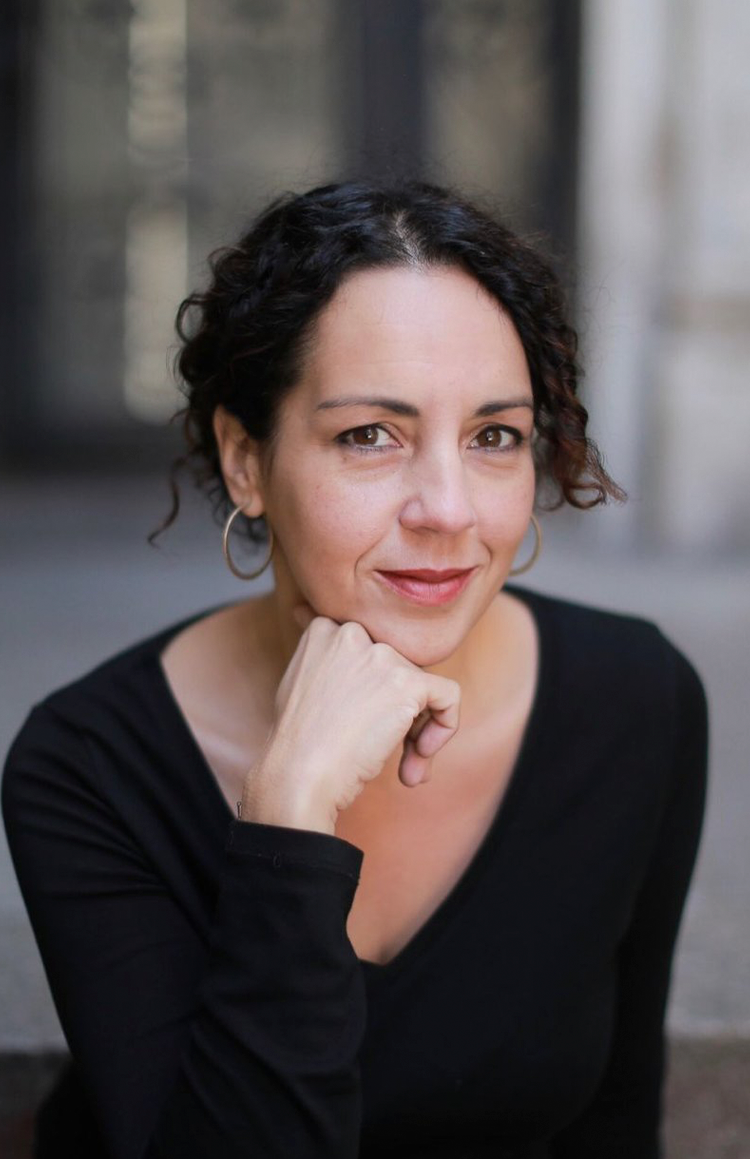
This year’s Literary Sojourn features – as always! – an array of wonderful authors who will be joining readers in Steamboat on Saturday, Sept. 9. We caught up with one of those authors, Angie Cruz, to chat about her writing, her latest book “How Not to Drown in a Glass of Water” and her advice for readers.
Steamboat Magazine: I read that you didn’t always want to become a writer. What changed?
Angie Cruz: I didn’t grow up with writers and artists in my family so writing just wasn’t something that was in my imagination…I couldn't actually imagine it happening for me because I didn’t have that many models. But when I went to college it was something that I realized that I liked to do. And then I realized that I had been telling – and hearing – stories my whole life; from the kitchen poets! I didn’t really understand that I was training from a very young age to tell stories.
SM: Did you know that you were going to write about your own culture and background?
AC: Not at first. I wasn’t a big reader until university. What got me reading was seeing books that reflected more of my own experience - work stories, working class, women of color, books written by women and Latinas. When I started reading those, I was like ‘oh wait! They’re like me and they’re not like me.’ What wasn’t being represented at the time in 2001 was the Dominican population specifically. I wanted to write about the amazing people who I knew and grew up with. One book can’t do everything that you want it to do so after the first book, there was a second and there are always more ideas.
SM: I want to talk a little bit about your latest book, “How Not to Drown in a Glass of Water.” Cara Romero is such a character. I read another interview where you said that one day, she just started speaking to you on the subway which is sort of magical…had that happened before in your previous books?
AG: No. What’s interesting about Cara Romero is that I was interviewing a lot of people for “Dominicana” (Angie’s previous book) and I had all these voices in my head about different events and moments in history. What happened with “Dominicana” was that I couldn’t find a publisher and went through about four years of rejections. During that time I thought ‘maybe I’m not going to be a writer after all, that’s it, I’m done, maybe I should look for other careers.’ One day I saw a woman on the subway who was studying an English language handbook. It made me think of the women in my family who were laid off from different factories and jobs in 2007 and 2008. When I heard Cara’s voice in my head, I was like ‘who are you? Where are you coming from?’ I thought, ‘okay, I’m just going to listen.’ Every time I got on a moving vehicle - a bus or a train - I decided I was going to summon Cara Romero.
SM: I ultimately found myself rooting for Cara and being baffled by her, and everything in between.
AC: She really was her own character. I’m writing it and she’s saying all of these things that feel like a contradiction to me. Then I started thinking, ‘isn’t that true about almost everyone?’ I wanted to live in that place of this woman who I didn’t really like that much – when I first started writing, I didn’t agree with her choices – but I wanted to honor the fact that for some people, her choices were the right ones. We get things in 30 second sound bites these days, from TikTok or whatever, which is so different from listening to someone talking about their whole life. When you find out why and how they made choices, how they’re educated, does that change your opinion? It wasn’t intentional but in the revision, I really did think about the fact that we’re all very complicated. Not everyone likes everything about us.
SM: One thing that I loved about the book was that there were little pieces of advice in there for all of us – from Cara – whether it was about hard work or parenting or helping neighbors… just life in general. Did you intend to make Cara so versatile that the reader could find themselves somewhere in her stories?
AC: There’s a magic to writing when you’re inspired and then there’s a creative process of revision. A lot of books that I’ve read were by people who were nothing like me but I still heavily identified. I think the best writing in some ways should create characters that somehow tap into something about the human condition that is very universal. We all know what it’s like to grieve, or as mothers, we all know what it is to be scared for our children. Sometimes we have a blindside and we don’t know how to align with it but that’s very human.
SM: Last question – you are coming to Steamboat for Literary Sojourn next month which always has an audience of great readers. I was hoping that you could share some advice for readers.
AC: I think that one of the things that has been important to me is that when someone says you should read something, check it out – even if it’s outside of your wheelhouse. It might open up a whole new world. Read wisely. Read generously.
To learn more about this year’s Literary Sojourn and purchase tickets, visit www.literarysojourn.org.